

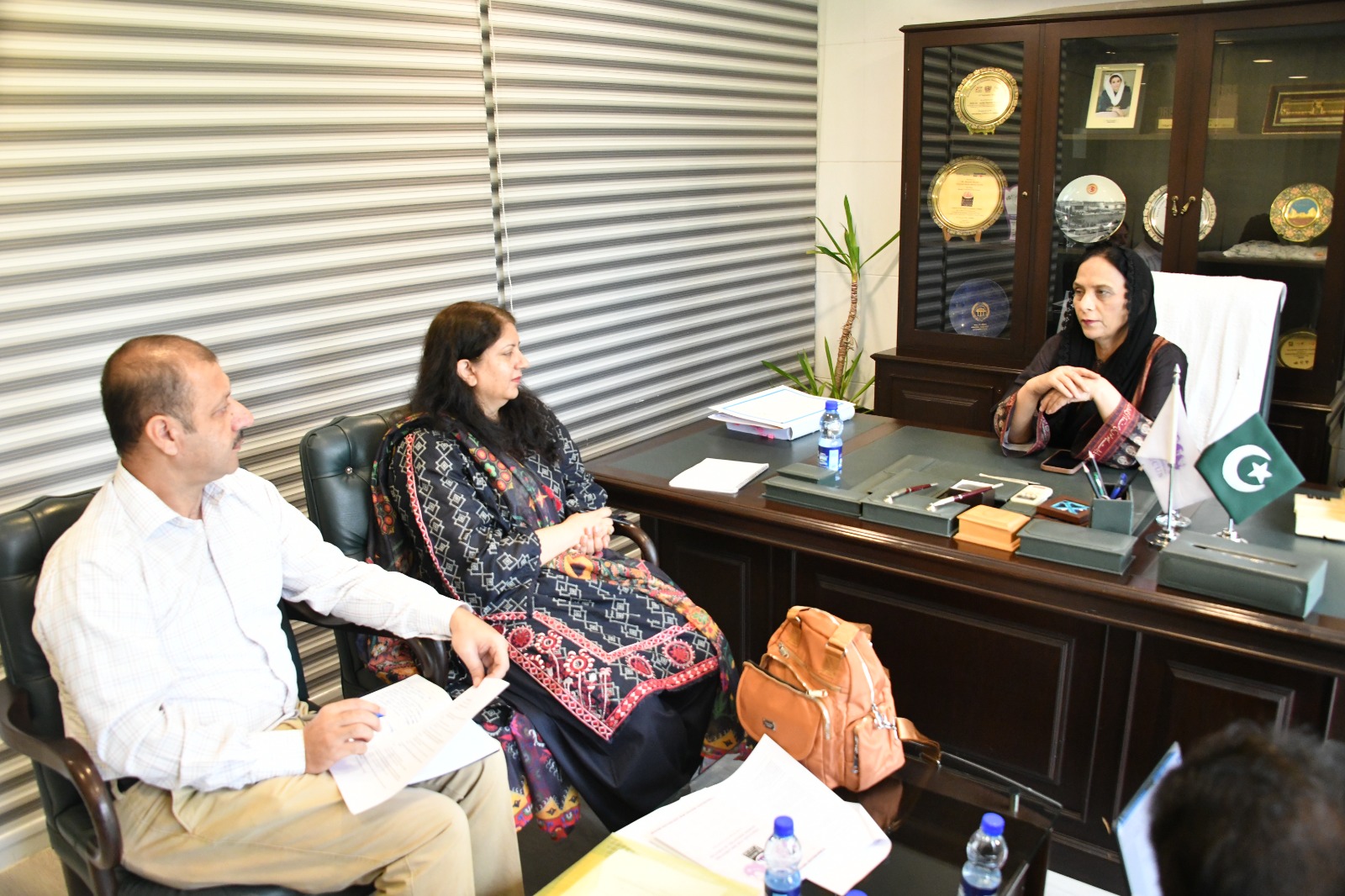
WPC and RSH Strengthen Partnership on GRB and Prevention of Sexual Harassment
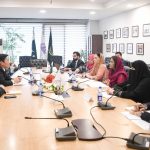
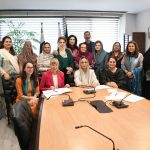
Islamabad, August 19, 2026: Secretary of the Women’s Parliamentary Caucus (WPC), Dr. Shahida Rehmani, held a meeting with the RSH Pakistan team, including Ms. Asma Kiran, Country Lead RSH, and Mr. Iftikhar Khan, Senior Consultant RSH, to discuss strengthening parliamentary engagement on Gender-Responsive Budgeting (GRB) and its role in addressing gender-based violence, sexual harassment and protection from sexual exploitation, abuse and harassment (PSEAH).
The meeting focused on how parliamentary mechanisms can help make gender-related and protection financing more visible, traceable and accountable, particularly by strengthening the link between policy commitments, budget allocations, implementation and actual expenditure. RSH’s ongoing work examines how financing for GBV, workplace harassment and safeguarding-related functions can be identified within Pakistan’s budgetary and institutional systems.
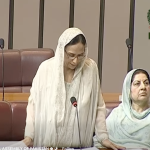
During the discussion, Dr. Shahida Rehmani highlighted the important role of the Women’s Parliamentary Caucus in advancing Gender-Responsive Budgeting and ensuring that gender considerations are reflected in parliamentary scrutiny and recommendations. The participants noted that while GRB is progressing, greater attention is required to ensure that allocations are followed through to implementation and that expenditure can be effectively tracked.
The meeting also discussed the importance of distinguishing between broad allocations for sectors such as health, education or social welfare and specific financing for gender equality, GBV and protection-related functions. The RSH framework emphasises that broad gender or social-sector allocations should not automatically be classified as PSEAH expenditure unless there is a clear safeguarding or protection function.
Dr. Shahida Rehmani and the RSH team further discussed strengthening parliamentary oversight across the full budget cycle—from budget formulation and approval to release, utilisation, reallocation, service delivery and performance monitoring. This approach would enable parliamentary committees and the WPC to identify gaps between approved allocations and actual implementation.
The participants also emphasised the importance of using evidence and budget information to strengthen parliamentary recommendations on issues related to sexual harassment, GBV and women’s protection. Better access to disaggregated budget and performance information can support parliamentarians in asking targeted questions, making informed recommendations and following up with relevant ministries.
The meeting explored opportunities for future collaboration, including parliamentary consultations, evidence-based discussions and thematic sessions on GBV and sexual harassment financing. The RSH team also shared the potential for engaging parliamentary committees, research and budget support structures, and the WPC to improve the visibility and accountability of relevant financing.
Both sides agreed to strengthen their partnership and work together to advance Gender-Responsive Budgeting and parliamentary oversight of financing related to gender equality, GBV and sexual harassment. The collaboration will aim to generate evidence, strengthen parliamentary capacity and identify practical mechanisms through which budgetary commitments can translate into improved services, protection and accountability for women.
Dr. Shahida Rehmani welcomed the collaboration and reiterated the WPC’s commitment to working with relevant partners to strengthen gender-responsive parliamentary processes and promote greater accountability for issues affecting women.