

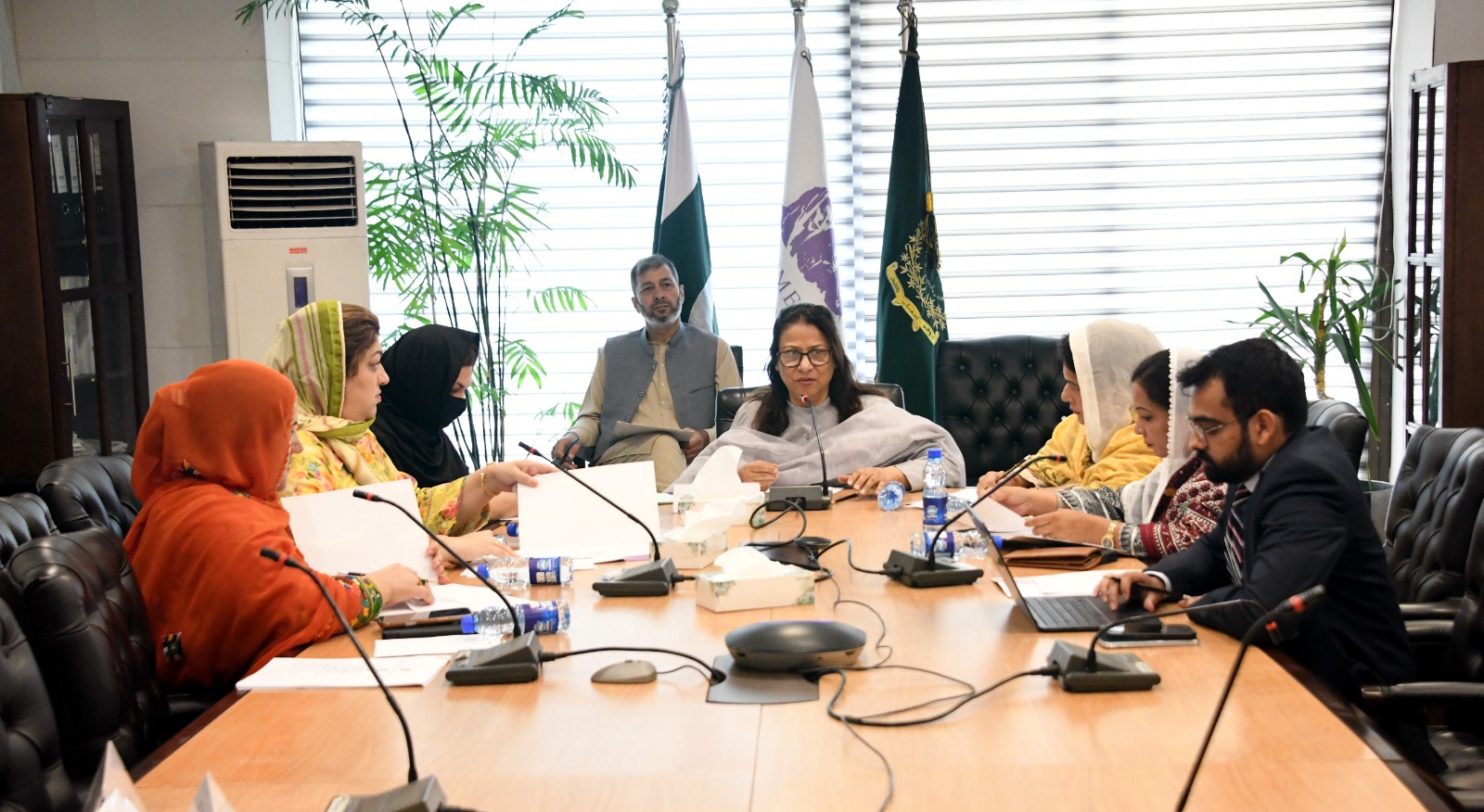
National WPC Sub Committee on Legal Reforms and Legislation Scrutiny – Introductory Meeting
PRESS RELEASE
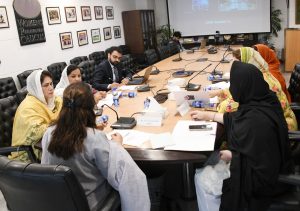
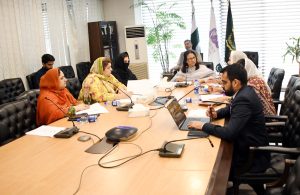
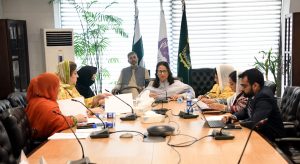
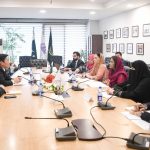
The Sub-Committee on “Legal Reforms and Legislation Scrutiny” of the Women’s Parliamentary Caucus (WPC) convened an introductory meeting at Parliament House, Islamabad, to deliberate on key legal and policy issues affecting women and vulnerable groups in Pakistan.
The meeting focused extensively on the growing concerns surrounding so-called honour killings and the need to further strengthen legal and institutional mechanisms to ensure effective implementation of existing laws. Members discussed challenges related to enforcement, gaps in implementation, and the importance of ensuring justice for victims and survivors. The Committee emphasized the need for stronger oversight and evidence-based review of laws dealing with crimes committed in the name or on the pretext of honour.
The Sub-Committee also held detailed discussions on harassment-related legislation, including the need to review the effectiveness of existing legal frameworks and identify implementation gaps. Members highlighted the importance of ensuring accessible complaint mechanisms, institutional accountability, and protection for women in workplaces and public spaces.
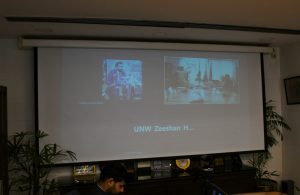
During the session, Mr. Zeeshan from UN Women presented the methodology of Post-Legislative Scrutiny (PLS) through a gender lens. The presentation highlighted how PLS assesses whether laws achieve their intended objectives, measures their real impact on women and marginalized groups, identifies implementation gaps, and strengthens accountability and evidence-based lawmaking.
The presentation further explained the step-by-step PLS methodology, including legislative intent analysis, institutional and implementation review, gender-sensitive data collection, consultations, and impact assessment. Members appreciated the methodology as a practical tool for evaluating the effectiveness of laws and identifying areas requiring reform.
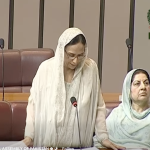
Ms. Sofia Saeed Shah emphasized the importance of conducting comparative legal analyses to identify duplication and overlap among existing laws and institutional mandates. She specifically referred to areas involving PTA, PECA, and FIA-related legal provisions, noting that overlapping jurisdictions and duplicative provisions can create confusion and hinder effective implementation.
The Committee further recommended applying the PLS methodology to review harassment laws and honour killing laws to assess their effectiveness, implementation challenges, institutional coordination, and impact on affected communities. Members underscored that such reviews would support evidence-based reforms and help strengthen protections for women and marginalized groups.
The meeting concluded with a shared commitment to advancing gender-responsive legal reforms, improving implementation mechanisms, and strengthening parliamentary oversight to ensure laws effectively protect the rights and dignity of all citizens.
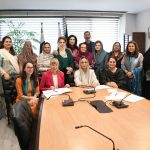
The meeting was attended by: Ms Sofia Saeed, Dr Shahida Rehmani, Ms Nousheen Iftikhar, Ms Shaista Khan, Ms Kiran Imran, Ms Akhtar Bibi, Mr Waqar Ul Shams – Technical Expert UN Women